Thursday, September 20, 2018

Iran regime website: PMOI/MEK have de facto potential for regime change

Iran regime website: PMOI/MEK have de facto potential for regime change


The PMOI/MEK has the power to overthrow the regime
Analysis by PMOI/MEK

Iran, Sept. 19, 2018 - Considering the fact that the Iranian regime is facing the imminent threat of being overthrown, state officials and media simply cannot refrain from expressing their concerns in this regard.
Terms such as “mistrust,” “pessimistic” and “hopelessness” are used, along with warnings about the unknown road ahead.
On September 14th, without referring to a specific enemy, Saeedi, Friday prayer imam in the city of Qom, said this enemy’s main objective is to “create anxiety among the people” and “leave the public facing an impasse regarding their problems and make them lose hope in the heads of the three branches and various entities… this is very dangerous.”
In a recent speech, Mojtaba Zonnouri, a member of the Iranian regime’s Majlis (parliament) Security Commission, said the people’s mistrust is tearing the regime apart.
Extremely concerned about the future, Sadegh Zibakalam, an individual close to Iranian regime President Hassan Rouhani, said if circumstances deteriorate, any scenario is possible for the regime. These remarks were published in the “Iranian Diplomacy” website.
“Unfortunately, the people have significantly lost their hope in the future and this is dangerous,” said Mostafa Tajzadeh, a member of the Iranian regime’s so-called reformists factions.
“Open access to social media is yet another problem. This is unprecedented and we have never faced such dilemmas all at once,” he added in remarks to the state-run Iran daily.
In remarks posted in the state-run Arman website, Hossein Kamali, minister of labor back in the 1990s, said a new revolution against the entire mullahs’ regime is imminent.
“Various groups and individuals have yet to realize the necessity for change in our society and continue to oppose such changes. It appears if this mentality gains strength in our society, the threat of violent changes will increase and the Iranian society will head towards radical approaches,” he explained.
These remarks further indicate the powder keg status of Iran’s society calling for regime change. This is the reality referred to by Iranian regime Supreme Leader Ali Khamenei back in February.
“Media outlets linked to the [PMOI/MEK] acknowledged how they have been preparing for this during the past few months, organizing their measures, and having meetings with this and that individual. Targeting people inside the country, finding them and providing support, to come and issue calls for popular protests. The [PMOI/MEK] were the ones making the calls for protests… With these slogans, they were able to gain the support of a number of people. Then they came forward to pursue their own objective and have the people follow their lead,” he said.
Following the Dec/Jan uprising and especially the repeat of yet another episode in August, many of the regime’s Friday prayer imams and other elements are making similar remarks about “devious objectives.”
During a Friday prayer sermon in Tehran recently, Ahmad Khatami, a senior member of the regime’s apparatus, referred to as the “overthrowing current’s” ability to organize efforts against the regime. He also described this as a “crime.”
The Baharestaneh website specifically said the PMOI/MEK is an overthrowing force on the ground and has the power to overthrow the regime.
“The Supreme Leader has time and again referred to them. Therefore, it is necessary to introduce them to the people without any political reservations, and warn all our own forces regarding this true and serious rival.”

Wednesday, September 19, 2018

Iranian people’s health endangered by the regime’s corruption


Iran’s hospitals are faced with a shortage of necessary medical equipment to treat infections
Analysis by PMOI/MEK

Iran, Sept. 19, 2018 - While Iranian officials are fast busy plundering and liquidating the country’s wealth and resources, and while the regime continues to spend stellar amounts on fomenting war and violence in neighboring countries, the people of Iran continue to suffer and see their lives decline into famine and misery. A less discussed aspect of this ongoing crisis is how corrupt regime institutions and officials are affecting Iran’s healthcare industry.
Iran’s hospitals are faced with a shortage of necessary medical equipment to treat infections. The shortage has become so severe that the president of the AIDS department in Tehran’s Khomeini Hospital has warned against the reuse of equipment. “We are faced with a shortage both in equipment and in medication,” she said in an interview with the state-run ILNA news agency. “We are especially faced with a problem in the material that we use to control infections.”
The situation has grown so serious that some material, including appliances used in heart surgery and treating heart diseases are being reused across operations and treatments. Previously, Maryam Ghassemi, the head of the Medical Equipment Producers Organization had warned about the danger of shortage of medical equipment in health centers and described it as a threat for the country’s healthcare industry.
In Iran’s monthly Medical Engineering Journal (Mohandesi-e Pezeshki), Ghassemi warned against the threat of import of smuggled low quality goods and their entrance into the country’s healthcare industry.
This is all happening while every year, a huge budget is allocated to the purchase of medical goods. But corruption and graft at the highest levels of the government prevent these goods from reaching the people and proper institutions.
In August, during an interview with the Iranian regime’s Channel One News (Kanal-e Yek), Mohammad Hossein Ghorbani, member of the parliament’s health commission, said, “The budget that has been allocated [to medical expenditures] has tripled compared to four months ago, but there hasn’t been enough supervision to document the medication and equipment orders.”
In the same program, Channel One describes that “every year, approximately $1 billion is allocated to the import of medical goods and another billions dollars is given to companies at low exchange rates so that they can import medical material and equipment.”
In one discovered case of corruption, Shabnam Nematzadeh, the daughter of the former Mines and Industry Minister Mohammad Reza Nematzadeh in Hassan Rouhani’s cabinet, was found to be hoarding a stock of medication worth 50 billion rials (approx. $500,000). After the warehouse was discovered, many of the medications were found to have been expired.
Also, according to ISNA news agency, an inspection in 2017 found more than 6 thousand cases of smuggling involving medicine, hygiene products and medical equipment. Meanwhile, patients with cancer and other dangerous illnesses are faced with a shortage of medication.
The Hamshahri daily describes the situation as such: “The cycle of procuring medication has turned into a confusing mess, confounding the producers, importers, distributers and most important of all the consumers.”
But the spokesperson of the Iranian regime’s health ministry shamelessly told Mehr News Agency that “the shortage of medicine is natural.”
This statement is in contradiction to what the regime’s own news outlets are reporting about the situation in Iran. In an interview with the Khorasan Daily, the manager of the medication and medical material in control of Mashhad’s Health Sciences University warned, “One of the new problems is the reverse smuggling of medical goods. In previous years, goods were smuggled into the country from foreign countries. But presently, good are being smuggled ‘out of the country,’ and medicine is no exception.”

Tuesday, September 18, 2018

The Missile Attack On Kurds, A Smokescreen To Conceal Iran’s Mullahs’ Weakness Regarding Uprisings And MEK


The missile attack on Kurds, a smokescreen to conceal Iran’s Mullahs’ weakness regarding uprisings & MEK

MEK
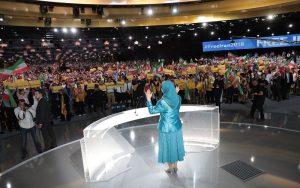
Iranian Grand Gathering” in France 30 June 2018

After the foiled spying operations and terrorist acts to bomb the “Iranian Grand Gathering” in France, to target the MEK, the Mullahs regime, committed another crime against the Kurdish Democratic Party of Iran (KDPI), and the Kurdish Democratic Party (KDP), in the depth of the Iraqi soil on Saturday, Sep. 8.


MEKAfter the execution of three Kurd political prisoners and the missile attack on the headquarters of KDPI and KDP on Saturday,Mrs. Maryam Rajavi, the president-elect of NCRI condemned these crimes and called on the people of Iran to rise up against the clerical regime.


Maybe you are familiar with this term: the smokescreen. During a military battle, when under siege, and as the last resort, the smokescreen becomes handy. A force tries to form a curtain of smoke between itself and its enemy for two purposes:
1-It will blind the enemy of its critical situation
2- It won’t let its own forces see the assault, lose their moral and surrender.
What does the smokescreen have to do with this article?!
This is exactly what the mullahs’ regime did on Sep. 8. How come?
Having a glance at regime’s state-run media during the last few days, you will get lost among terms such as “IRGC’s missile might”, the “Accurate missiles”, the “manifestation of IRGC’s power” or the “establishment’s intelligence knowhow and dominance” and all these propaganda roams around the criminal mullahs’’ missile attack on the Kurdish bases in Iraq.
Given the harsh international and domestic crises that have surrounded the clerical regime in Iran, it looks like that such an attack, which is a blatant breach of the international laws, is the last thing that this problem-hit regime needs. So the question is why the regime carried out such an attack?
To answer this question, one must consider the circumstances:
– The nationwide uprising that continues up to this date, since winter of 2018,
– The formation of the resistance units after the recent uprisings has afflicted the regime so much that it has admitted: “the MEK has founded formations called the ‘Resistance units’, capable of recruiting forces and having the potential to replace the leaders in the fields!” (Baharestane –Aug. 28, 2018)
-The failure of the regime’s terrorist plots against its main opposition, namely the NCRI and the MEK, and the arrest of the regime’s diplomat-terrorist and its mercenaries in Germany, Belgium, France, Albania, and the USA.
-The uprising of the Iraqi people against the regime’s meddling in their internal affairs; setting fire to the regime’s consulate and all the basis of its affiliated parties in Basra,
-The state of economic collapse,
-Severe infighting between the regime’s rival factions,
-The failure of the Joint Comprehensive Plan of Action (JCPOA) and the restoration of the “heaviest sanctions of history”,
– The imminent meeting of the UN Security Council to discuss the destabilizing behaviors of Iran’s regime in the Middle East on Sep. 26.
So the regime is trapped in a dead-end.
The consequence of such a dead-end injects defect into Bassij (paramilitary forces) and the establishment’s main forces. No wonder that Khamenei said in Nowshahr city: “Do not allow the enemy to infiltrate and disperse the united fronts of the believer youths.”
Therefore, to rescue a battered regime which is on its last leg, Khamenei resorted to the smokescreen tactic. He tried to create a smokescreen by attacking the Kurdish parties in the Iraqi soil, and by hanging the Kurd political prisoners, to turn away the attention from the deadly crises that have engulfed his regime on one hand and on the other hand, he intended to inspire his frustrated repressive forces with an absurd gesture of might!
But the Iranian people with their uprising, aligned with the progress of their main opposition force; NCRI and its core organization, the MEK/PMOI, in all the arenas, do not grant the regime an opportunity to pull out of its deadlocked situation. The siege is becoming tighter around the regime, and all its maneuvers are in vain. This is just a vanishing regime, floundering.

Monday, September 17, 2018

The Iranian regime’s dead end with the Financial Action Task Force (FATF)

The Iranian regime’s dead end with the Financial Action Task Force (FATF)


Financial Action Task Force (FATF)
Analysis by PMOI/MEK

Iran, Sept. 14, 2018 - While Iran’s October deadline to accept the Financial Action Task Force’s (FATF) Action Plan looms near, it isn’t still clear whether the Iranian regime’s parliament will be able to pass the necessary bills.
The proposal, which is part of four bills known as “Palermo bills” in Iran, have the goal of removing Iran from the FATF’s list of suspected countries.
On November 8, 2017, the administration of Iranian regime president Hassan Rouhani sent four bills to Iran’s parliament for approval, hoping to ease Iran’s economic miseries. The proposed bills are as follows:
  • The Financial Action Task Force (FATF)
  • The United Nations Convention Against Transnational Organized Crimes (UNTOC)
  • Combatting Financing Terrorism (CFT)
  • The United Nations Office of Drugs and Crimes (UNODC)
The Iranian parliament has already passed one of the four necessary bills but on September 9, in a letter to Iran’s Guardian Council (GC), Mahmoud Hashemi Shahroudi, Chairman of Iran’s Expediency Discernment Council (EDC) opposed one of the four bills.
In his letter to the GC’s chairman, Ahmad Jannati, Shahroudi argued that realizing FATFs proposed measures and guidelines in institutions like the Central Bank of Iran (CBI), the National Iranian Oil Company (NIOC), and Iran’s Central Insurance Organization (CIO), may entail perils for “Iran” in the future.
On September 5, Mahmoud Sadeghi, an Iranian MP from the so-called moderate faction, tweeted that Iran regime’s Supreme Leader had already endorsed the anti-money laundering bills.


از منابع موثق شنیدم که رهبری نظر موافق خود را با لوایح مبارزه با پولشویی اعلام کرده اند.


Mahmoud Sadeghi’s tweet in defense of the bills—and a few others after the initial one—was a direct response to another letter by Shahroudi a few weeks ago. On August 26, in his letter to Iran’s GC, Shahroudi pointed out how the anti-money laundering bills disagree with Iran’s general policies. In response, the Guardian Council communicated Shahroudi’s opposition to the bill to the Iranian parliament.
A few months earlier, Shahroudi had opposed another of the Palermo bills (UNTOC), while Iran’s president, Hassan Rouhani had already declared the bills “necessary,” referring to resolutions by the “Higher Council for Economic Coordination.” The Higher Council for Economic Coordination among Branches of Government (the official name of the body) was created in May on the Supreme Leader’s orders. Its goal is to combat the country’s economic downfall and implement a policy of economic resistance.
This is just the tip of the iceberg. This internal fight between different factions of the Iranian regime about FATF has real substance.
On the one hand, if they agree to comply with FATF’s guidelines and pass the bills, Iran’s sponsorship of terrorism like funding Hezbollah and other shady state-run activities like drug trafficking by the IRGC will be at peril.
On the other hand, Iran’s economic miseries multiplied by the US’ new sanctions will only be amplified if the Palermo bills are not passed and implemented.
It is worth noting that the Basel Anti-Money Laundering Index (AML) considers Iran the highest money laundering risk among 149 surveyed countries.
FATF does not have a mandate to impose sanctions or act against blacklisted countries, but as the world’s financial watchdog its blacklist will create immense economic pressure on listed countries with the rest of the world.
FATF blacklisted the Iranian regime in 2009 but suspended its inclusion in 2016 in accordance with one of the side deals of the nuclear deal (JCPOA). The move was considered a welcoming gesture towards Iran to give it time to pave the way for joining international conventions against money laundering and financing terrorism.

Saturday, September 15, 2018

Iran’s IRGC chief saber rattling about threats

Iran’s IRGC chief saber rattling about threats


IRGC chief Mohammad Ali Jafari making ridiculous claims about the Iranian regime’s missile capabilities
Analysis by PMOI/MEK

Iran, Sept. 14, 2018 - The Iranian regime’s state-run Tasnim news agency, associated to the Revolutionary Guards (IRGC) Quds Force, covered the bogus remarks made by IRGC chief Mohammad Ali Jafari, aimed at lifting the spirits of the Iranian regime’s forces.
“Today, having a large number of precision ballistic missiles with a range of 2,000 kilometers provides an unprecedented capability for the Islamic Republic of Iran. Our nation, relying on these powers and the capability of our dependable forces, are able to stand in the face of global arrogant forces,” he said.
It is worth noting that international experts are debunking and ridiculing such claims.
“Those who have bases, troops, and equipment within 2,000 kilometers of Iran’s sacred soil should know that all of the IRGC’s missiles are very precise… the IRGC’s recent revenge of terrorists sent a very meaningful message to our enemies, especially superpowers who believe they can enforce their devious objectives upon us,” Safavi added.
Of course, a few hours after the mullahs’ claims of targeting Iranian Kurdish dissident groups using precision-guided missiles from inside Iran, military experts debunked Tehran’s claims by showing how the mullahs’ actually launched their missiles from inside Iraq at a range of about 20 kilometers.
The Iranian regime’s Revolutionary Guards (IRGC) claimed responsibility for a recent missile attack targeting Iranian Kurdish dissidents based in Iraq. This missile barrage on the Kurdistan Democratic Party (KDP) site coincided with the execution of three Kurdish political prisoners early Saturday morning local time in Gohardasht (Rajaie Shahr) Prison of Karaj, west of Tehran.
The IRGC statement claims the objective was to end “aggressive measures against Iran.”
“The missile unit of the IRGC Air & Space Force, in cooperation with the IRGC Ground Forces Drone Unit, targeted a group’s base and the session on Saturday with seven short-range surface-to-surface missiles,” the statement adds. 

KDP statement
The KDP issues a statement on mullahs’ vicious crimes saying the KDP Political Office base came under an IRGC aerial attack while the party’s Central Committee was holding a session. The KDP restated that when facing an increasing wave of domestic unrest at home and international political/economic pressures, the Islamic republic regime resorts to the crackdown, aggression, crimes and terrorist measures against freedom lovers of Kurdistan and Iran inside the country and abroad.
15 KDP members were killed and nearly 40 others were injured, the Kurdish dissident group specified in another statement. Four KDP Central Committee members, including Karim Mahdavi, Ebrahim Ebrahimi, Nasrin Haddad, Rahman Pirouti and two life-long members of the Central Committee, Soheila Ghaderi and Hashem Aziza, were among those killed in this missile attack. 

Iranian Resistance condemnation
Iranian opposition President Maryam Rajavi strongly condemned the execution of three Kurdish political prisoners and the missile attack launched against the Kurdistan Democratic Party by the mullahs’ regime, describing these measures as crimes against humanity and called for immediate measures by the United Nations Security Council.
Mrs. Rajavi called on the people of Kurdistan and all of Iran to rise in uprisings and protest.
“I call on the courageous people of #Kurdistan & across #Iran to rise up against the anti-human mullahs’ regime that is hell-bent on stepping up terror, repression, executions, and missile attacks to extinguish the people’s uprising. But it will take that wish to the grave,” Rajavi said in a tweet.

Friday, September 14, 2018

شیطان‌سازی، سیاستی یزیدی و دارای سوابق تاریخی


شیطان‌سازی، سیاستی یزیدی و دارای سوابق تاریخی

پرداختن به قیام عاشورا آیا تکرار داستانی نیست؟ 

از نظرگاهها و منظرهای مختلف به قیام عاشورا پرداخته شده، می‌شود و خواهد شد. عاشورا، نه یک داستان تکراری که یک پژواک دائمی در گوش نسل‌ها در تداوم تاریخ است؛ پیامی است برای چگونه زیستن، انتخابی بین تمکین به وضع موجود یا شوریدن علیه آن.
حسین نامی نیست که فقط متعلق به شیعیان یا مسلمانان باشد. این نام قبل از هر چیز شناسنامه فرزند انسان و بیانگر چرایی خلقت و چگونگی زیست او بر کره خاکی است. پیامی که او نمایندگی می‌کند فراتر از قالب‌های تنگ جغرافیا یا حصارهای تنگ زمان و زمانه‌هاست. اگر امروز به حسین و عاشورا می‌پردازیم از آن روست که بیش از هر زمان به جو هر پیام او (آزادی) نیازمندیم؛ زیرا زمانه ما در گذار از آزمایشات بسیار بیش از هر زمانی به‌عمل به پیام او نیازمند است.
به‌دلیل قدرت تأثیرگذاری عاشورا در تاریخ و نسل‌های پس از خود و چهره درخشان امام حسین، ارتجاع بسیار تلاش کرده که پیام این حماسه تاریخی و انسانی را قلب کند اما حقیقت این نبرد آرمانی راه خود را در هیأت و قامت رزمندگان و مجاهدان راه آِزادی باز کرده است.
وقتی یزید و یزیدیان نمی‌توانستند و نمی‌توانند با حسین (ع) و آرمان و پیام و رهروان واقعی‌اش مقابله کنند، دجالانه تلاش می‌کنند تا در یک جنگ روانی با متهم کردن به انواع برچسبهای کثیف، از پیامبر آزادی و مجاهدان رکابش، شیطان‌سازی کنند تا یا از صحنه خارجشان کنند و یا زمینه‌سازی برای حذف و کشتار بیشتر آنها را فراهم آورند.

شیطان‌سازی چیست؟ 

نیروهای ضدتکاملی، زورگویان، دیکتاتورها و مستبدان تاریخ وقتی با حذف فیزیکی یک نیروی آزادیخواه و انقلابی یا مقابله فکری با یک آرمان رهایبخش، نمی‌توانند آن را از دور خارج کنند درمی‌مانند، هم برای آماده‌سازی افکار عمومی برای کشتار بیشتر و هم برای مخدوش کردن دامنه تأثیر آن جریان انقلابی در افکار عمومی، دست به اقداماتی می‌زنند که «شیطان‌سازی» نام دارد. این اقدامات می‌تواند جنبه‌های گوناگونی را در بر بگیرد، از به کار بردن انواع اتهام و برچسب گرفته، تا جعل دروغ و سند، تا شایعه‌پراکنی و... را شامل شود. شیطان‌سازی یا به عبارت دیگر جنگ روانی در خدمت حذف فیزیکی و مکمل آن است. زیرا هیچ دیکتاتوری نمی‌گوید که با یک نیروی انقلابی به‌خاطر آزادیخواهی و عدالت جویی او می‌جنگد. باید برای درافتادن با او و حذف فیزیکی‌اش یک توجیه و دلیل عوام‌پسندانه داشته باشد.
اگر به تاریخ نگاه کنیم، می‌بینیم انواع و اقسام شیطان‌ سازی را در مورد انبیا و مصلحان بشری می‌بینیم. نمونه‌هایی از آن در قرآن نیز آمده است:
دیوانه نامیدن پیامبر:
«گفتند ای کسی که قرآن بر تو فرو فرستاده شده، قطعاً تو دیوانه‌یی!
ساحر خواندن پیامبر:
شاعر خواندن او:
«او شاعری است که امیدواریم بد روزگار به او رسد».

شیطان‌سازی علیه حضرت علی تا به آنجا رسید که وقتی خبر ضربت خوردن او هنگام سجده منتشر شد،‌ نسل‌هایی که او را از نزدیک ندیده بودند، مسأله‌دار شده و با تعجب پرسیدند: «مگر علی نماز هم می‌خوانده!؟». قابل‌توجه این‌که سب و لعن مولای متقیان تا سالیان پس از شهادت او ثواب به حساب می‌آمده است!
یزید به‌عنوان امیرالمؤمنین تازه تکیه زده به اریکهٔ خلافت، با به کارگیری آخوندهای درباری و فتوادهندگان و جعل‌کنندگان حدیث، اقدامات زیادی برای مشروع جلوه دادن قتل امام حسین انجام داد. در زیارت عاشورا به عبارتی برمی‌خوریم که در آن می‌گوید:
ولعن الله الممهدین لهم بالتمکین من قتالکم
«و خدا لعنت کند آنان را که امکان جنگ با شما برای آنها مهیا کردند»؛ یعنی به‌لحاظ ذهنی زمینه‌های آن را تدارک دیدند.

انواع برچسب‌ها به امام‌حسین از سوی سیاست شیطان‌ سازی 

مارک خارجی بودن!‌ 

اولین اقدام شیطان‌سازانه در مورد امام حسین این بود که به او مارک «خارجی!» زدند. خارجی یعنی خروج کننده. خروج بر علیه چه کسی؟ خلیفه عصر. خلیفه که بود؟ یزید بن معاویه. می‌گفتند او بر علیه خلیفه برحق و قانونی شوریده است. در صورتی که تمام بحث، شوریدن بر این ولایت سفیانی بود؛ کسی که به نام محمد و دین او، حکومت و خلافت و قدرت را قبضه کرده بود و از آن ایدئولوژی به نفع حاکمیت ضدمردمی و غارتگرش بهره‌برداری می‌کرد.

ایجاد تفرقه در بین مسلمانان 

به امام حسین می‌گفتند که تو با قیام خود اتحاد بین مسلمانان را به هم می‌زنی. بر علیه «امنیت نظام اسلامی!» وارد عمل شده‌یی. منظورشان از «وحدت بین مسلمانان» و به تبع آن «امنیت نظام اسلامی!»، فراهم آوردن فضایی بود که در آن یزید با فراغ بال بتواند به حاکمیت خود ادامه دهد و در این آرامش سیاه کسی متعرض او نشود. کسی نپرسد که چرا به نام دین محمد، بر زرق و برق کاخ سبز دمشق می‌افزاید، طلا و نقره کنز می‌کند و کام خود می‌جوید.
در اسناد تاریخی آمده است که نمایندگان عمرو بن سعید بن عاص(حاکم مکه)، به امام حسین؛ هنگامی که از مکه خارج می‌شد، گفتند: «آیا از خدا نمی‌ترسی که از جماعت مسلمین خارج شده و تفرقه بین امت ایجاد می‌کنی؟».
عمرو بن حجاج، یکی از فرماندهان لشگر ابن زیاد، نیز با کنایه،‌ نیشخند و لغز به او ‌گفت: «ما، طاعت [از خلیفه مسلمین] را کنار نگذاشته و از جماعت آنها کناره‌گیری نکردیم»

قدرت طلبی و به کشتن دادن دیگران 

برچسب قدرت‌طلبی یا به کشتن دادن دیگران برای رسیدن به قدرت و پراکندن این تلقی که هدف نیروهای انقلابی رسیدن به جاه و مقام و موقعیت است،‌ ریشه‌یی ستبر در سیاست تحمیق‌سازی دارد. حتی نزدیک‌ترین افراد به امام حسین که از در خیرخواهی درآمده و در مقام نصیحت زبان به سخن می‌گشودند به او هشدار می‌دادند که برای دو روز زندگی زودگذر دنیا، با بنی‌امیه در نیفت! و کار دنیا را به دنیاطلبان واگذار!
مگر امام حسین برای رسیدن به قدرت قیام کرد؟! اگر می‌خواست به قدرت برسد، راههای بی‌هزینه فراوانی وجود داشت؛ نقدترین آنها بیعت با یزید بود.

امام حسین خودش خودش را کشت! 

یزید نیز به امام سجاد گفت:
«هر مصیبتی که به شما رسید دستاورد خودتان است».
کسانی که در مصاف خونین بین ظالم و مظلوم، به نکوهش مظلوم برمی‌خیزند که مگر نمی‌دانستی عاقبت مخالفت با نظام سرشکستنک دارد؟ یا «خودت باعث شدی که خونت ریخته شود و خانواده‌ات از بین بروند»، اگر در عصر امام حسین هم بودند. می‌گفتند امام حسین که می‌دانست کشته می‌شود و زورش به این حکومت نمی‌رسد، چرا خودش را به کشتن داد؟ برخی در رعایت «شرع!» کاسه از آش داغتر شده و از این هم فراتر رفته و مدعی می‌شدند که امام حسین با این کارش «خودکشی!» کرده و خودکشی در اسلام حرام است؟!‌
آبشخور تمامی این اتهامات حکومت یزید و آخوندهای درباری و دستگاه عریض فتوا سازی بود.

وانمود کردن این‌که خدا امام حسین را کشت! 

از جمله شیطان‌سازیهای ارتجاع قهار این است که کارها و اعمال خود را به خدا نسبت می‌دهد تا از ایمان توده‌های مردم برای مقاصد خود بهره‌برداری کند. هنگامی که امام سجاد را که در آن زمان نوجوانی بیش نبوده به مجلس یزید می‌برند. یزید مست از جنایتش بزرگش در حال قهقهه‌های مستانه با لحنی تمسخرآمیز و تحقیر کننده به او می‌گوید:
«ستایش، خدایی را که پدرت را کُشت».
امام سجاد با هیچ‌ انگاشتن حضور امپراطور سرکش و با بی‌اعتنایی به سطوت او بی‌درنگ پاسخ می‌دهد:
«لعنت به کسی که او را کشت!»‌ پاسخی هوشمندانه و البته جسورانه که دجالیت یزید را به خودش برگرداند و باعث عصبانیت او شد.
به یاد داریم خمینی نیز در حکم ننگین خود برای قتل‌ عام زندانیان سیاسی در سال۶۷نوشت:
«قاطعیت اسلام در برابر دشمنان خدا از اصول تردیدناپذیر نظام اسلامی است، امیدوارم با خشم و کینه انقلابی خود نسبت به دشمنان اسلام رضایت خداوندمتعال را جلب نمائید».
«رضایت خداوند متعال!» در واقع کدی بود که خمینی برای رضایت و خوشآمد خود به کار برد.
اقدامات شیطان‌سازانه و تحریف‌گرانه ارتجاع و جاهلیت به لباس اسلام درآمده فقط این نیست. راه‌اندازی کارخانه حدیث تراشی و جعل حدیث در زمان معاویه و خلف او آن‌چنان رونق یافت که برخی از جاعلان حدیث روز و شب به این کار اشتغال داشتند و برای آن نیز سند می‌تراشیدند. این جدا از جعل و تحریف حقایق توسط کسانی مانند «کعب‌الاحبار» و «شریح قاضی» است که یکی مشاور معاویه در سیاست تحمیق‌سازی و دیگری قاضی‌القضات ابن‌زیاد در کوفه بود و برای ریختن خون امام حسین و مهدورالدم بودن او جواز شرعی تراشید.

شیطان‌سازی علیه مجاهدین، ادامهٔ سیاست یزیدی 

برای پی بردن به دامنه شیطان‌سازی و تحریف در آن زمان خوب است امروز که عصر انفجار آگاهی و بلوغ سیبرنتیک است، نگاهی به‌عملکرد حکومت آخوندی بیاندازیم. این حکومت با به کارگیری ابزار آگاهی‌بخش مانند اینترنت و شبکه‌های اجتماعی و راه‌اندازی ارتش سایبری، به شیطان‌سازی در مورد مجاهدین، این پیروان حقیقی امام حسین و راه و رسم او می‌پردازد. بسیاری از نیروهای جوان و کسانی که شناختی از مجاهدین ندارند وقتی برای نخستین بار به دروغ بودن تبلیغات رژیم پی‌می‌برند دچار شوک می‌شوند. تبدیل کلمه «مجاهد»، به «منافق»، «جنگ ضدمیهنی و کشورگشایانه» به «دفاع مقدس!» از این نمونه‌اند.
امروزه بیش از هر وقت، حاکمیت آخوندی برای خنثی کردن تأثیر مجاهدین در بین نسل جوان ایران و شکستن اراده‌ها و روحیه‌ها، به شیوه‌های گوناگون دست به شیطان‌سازی می‌زند و در سایت‌های رنگارنگ و شبکه‌های اجتماعی با اکانت‌های مجعول و نامهای مختلف، به فعالیت سایبری علیه آلترناتیو خود می‌پردازد.
اتهاماتی از قبیل «کردکشی»، «شیعه‌کشی»، «آموزش زنان انتحاری»، «طلاق اجباری»، «جدایی اجباری کودکان از والدین»، «به زور نگه‌داشتن افراد در مناسبات مجاهدین»، «حضور مجاهدین در مرزهای عراق با سوریه»، «همکاری با داعش و القاعده» تماماً در راستای همین سیاست کثیف است. خمینی مدعی بود که مجاهدین «خرمن‌ها را آتش می‌زنند» و همزمان «جاسوس شوروی، آمریکا و اسراییل» هستند و «برای بمباران اهداف نظامی با چراغ قوه به هواپیماهای عراق گرا می‌دهند!».
برچسب «خودشان خودشان را شکنجه می‌کنند و می‌کشند» همان برچسبی است که خمینی در آن استاد بلامنازع و بی‌مانند بود. خمینی در مورد مجاهدین می‌گفت خودشان، خودشان را می‌کشند و شکنجه می‌کنند تا اسلام را بدنام کنند. بگذریم که به تقلید از خمینی «این خودشان خودشان را می‌کشند» از سوی حاکمیت آخوندی به یک تاکتیک تبدیل شد تا دست‌های قاتل او و جلادانش را در کشتار مخالفان لاپوشانی کند.

اقدامات مختلف ارتجاع برای خنثی کردن تأثیر برانگیزاننده عاشورا 

عاشورا یک نقطه‌عطف تعیین‌کننده و یک سرفصل جدی در تاریخ انسان است. روزی است یادآور قیام، حرکت و اعتراض بر علیه وضع موجود. بنابراین تا ظلم و تبعیض وجود دارد، عاشورا نیز زنده است.
نام حسین همیشه نامی سرخ بوده است و قیام او همواره قیامی خطرناک برای جباران و دین فروشان. حاکمان گوناگون به نام اسلام تا توانستند قیامهای برخاسته از آرمان او را سرکوب کردند آنجا که تیغشان دیگر نبرید ترفندی دیگر اتخاذ کردند: «پذیرش صوری این قیام برای خالی کردن آن از محتوا و مضمون».
آنها دسته‌های برانگیخته و سازمان یافته مردم در روزهای محرم را در وحشت از تبدیل شدن به کانونهای شورشی و هسته‌های قیام، به ازدحامی بی‌خطر و بی‌تأثیر تنزل دادند.
خمینی و اخلاف او در تحریف امام حسین و عاشورا از این فراتر رفتند. بهترین شیوه برای تخطئه راه، پیام و رسم حسینی سوء‌استفاده از حسین علیه حسین بود. او به‌نحوی رذیلانه و آگاهانه روز میلاد امام حسین را روز چندش‌انگیز «پاسدار» نامید تا این تلقی را جا بیندازد که گویا حضرتش هم یک پاسدار بوده است. او در حالی این تحریف آشکار را انجام داد که خودش حاضر نبود به اندازه یک کوانتوم از لقب خودساخته «امام!» کوتاه بیاید.

عاشورا، فروغ آزادی، حسین، پیامبر جاودان آزادی 

بررسی فاکت‌های تاریخی در زمینه شیطان‌سازی و از تأثیر انداختن قیام عاشورا ما را به این نتیجه می‌ساند که این‌گونه اقدامات در نهایت محتوم به شکست است. دجالیت تحت نام حسین و گشودن دکانهای رنگارنگ در این زمینه، نخواهد توانست نام، آوازه و رسم امام حسین و عاشورا را خدشه‌دار نماید.
آنچه امروز در خیابانهای شورشی تهران و دیگر شهرها جریان دارد، برگرفته از رسم و آیین امام حسین است. با الهام از او که ولایت یزیدی را برنتافت ما نیز ولایت خامنه‌ای را برنخواهیم تافت و بر آن خروج خواهیم کرد. به‌قول شهید سرفراز خلق، زنده یاد خسرو گلسرخی:
«زندگی مولا حسین نمودار زندگی اکنونی ماست که جان‌برکف، برای خلق‌های محروم میهن خود در این دادگاه محاکمه می‌شویم. او در اقلیت بود و یزید، بارگاه، قشون، حکومت و قدرت داشت. او ایستاد و شهید شد. هر چند یزید گوشه‌‌یی از تاریخ را اشغال کرد، ولی آنچه که در تداوم تاریخ تکرار شد، راه مولا حسین و پایداری او بود، نه حکومت یزید. آنچه را که خلق‌ها تکرار کردند و می‌کنند راه مولا حسین است.».
***
آری آنچه در تداوم تاریخ تکرار شد و می‌شود راه مولا حسین و پایداری اوست. برخیزیم و در خیابانهای ایران به این تدوام سرخ بپیوندیم.